Roulette Strategies Guide 2026
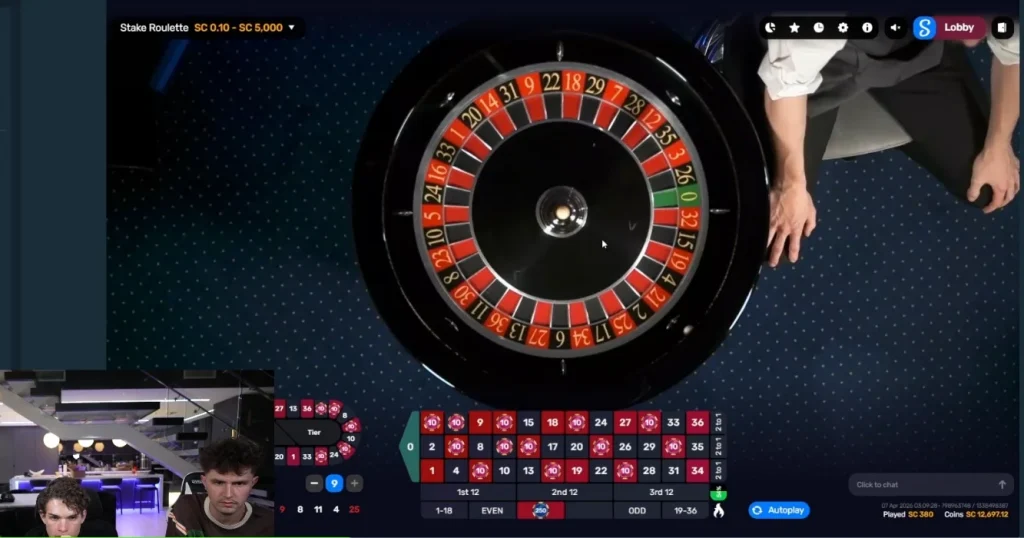
The 2026 roulette landscape
Roulette in 2026 is split across three arenas: live-dealer studios with high-fidelity cams, automated air-ball wheels, and RNG tables embedded in mobile apps. Each environment shapes how you manage risk. Live games add pacing and table etiquette; air-ball wheels run faster with fewer breaks; RNG variants offer instant re-bets that tempt overextension. A sound strategy acknowledges the tempo and adapts the staking rhythm accordingly.
Regulation has tightened across jurisdictions, but operators still set rules that modify the game’s math: triple-zero layouts, side bets, and even-money rescue rules like La Partage. Players who treat “roulette” as a single product miss crucial nuances. Winning more often starts with choosing the right wheel in the right lobby before a chip hits the felt.
Math first: edges, variance, and wheel types
House edge defines the long-run tax on every bet. European single-zero sits at 2.70%; American double-zero jumps to 5.26%; triple-zero stretches further. French tables with La Partage halve the loss on zero for even-money bets, effectively cutting variance and edge on those wagers. The rest of the layout—streets, corners, dozens—pays identically across variants, but the zeros decide your baseline.
Variance separates sessions that feel smooth from those that whiplash your bankroll. Even-money bets land often yet grind slowly; straight-ups spike volatility. In 2026, auto wheels and quick-deal RNG compress time between outcomes, increasing exposure to variance per hour. Bankroll planning should be calibrated to “decisions per hour,” not just nominal unit size.
| Wheel type | Zeros | House edge | Notes |
|---|---|---|---|
| European | 1 | 2.70% | Best baseline for most players |
| American | 2 | 5.26% | Higher cost per spin |
| Triple-zero | 3 | 7.69% | Avoid unless promos offset edge |
| French (La Partage) | 1 | 1.35% on even-money hits zero | Lower variance on red/black etc. |
Pick tables with low edge before debating systems. The fastest upgrade to any strategy is simply swapping to European or French rules and respecting spin cadence.
Strategy archetypes that still matter
Flat betting stays relevant because it keeps risk proportional and transparent. Stake a fixed unit, log results per 50 spins, and scale only if the bankroll increases. Sector coverage—such as playing a dozen with a couple of neighbors—can smooth hit frequency without chasing losses, especially on live wheels where pacing helps discipline.
Progressions under scrutiny
Classic progressions like Martingale or Labouchère amplify variance and collide with table limits faster in today’s rapid-fire lobbies. If you use progressions, cap the ladder, insert cool-down spins, and pair with the lowest-edge wheels to slow drawdowns. Better yet, adopt micro-progressions: +1 on wins, reset after two losses. The goal is to modulate momentum, not to force recovery.
- Prefer tables with clear history and stable pacing.
- Validate limits before play; plan your exit points.
- Record true exposure: spins times average risked units.
Building a session plan
Design sessions around decisions per hour, not minutes played. For live tables, 35–45 spins per hour is typical; auto wheels can double that. Align unit size so a worst-case streak (e.g., 12 even-money losses) represents a tolerable fraction of the bankroll. One session should not place your month at risk.
Session architecture
Use a simple three-phase template that reacts to outcomes without emotional drift. Document the rules ahead of time and follow them verbatim; the clarity itself is an edge against tilt.
- Warm-up: 10–15 spins flat-betting even-money or a dozen; confirm table flow.
- Main phase: 30–60 spins with your chosen pattern; one micro-progression allowed.
- Exit: Stop-loss at 20–30 units or stop-win at 25–40 units; cool down with 5 flat spins if near thresholds.
If you rely on sector bets, group them so your average exposure per spin stays under 4–6 units. A “hit and hold” rule—after a profit spike, freeze unit size for 10 spins—prevents runaway escalation.
Tools, ethics, and bankroll governance
Modern trackers chart hit maps, streaks, and session PnL automatically. Treat them as mirrors, not oracles: past sequences do not predict the next result. What they do well is enforce accountability and reveal how often you deviate from plan. Regulatory updates and fair-play standards evolve quickly; staying informed helps you choose reputable lobbies and avoid predatory rule sets. For industry news, see clavicular-official.com.
Bankroll governance is mundane but decisive. Keep funds ring-fenced, audit weekly, and review only 100-spin blocks to reduce noise. Ethics matter, too: avoid edge-seeking that violates terms, respect table limits, and view roulette as a paid form of uncertainty. The objective is durable entertainment with controlled risk, not a guaranteed paycheck.
Author’s opinion
The strongest roulette edge in 2026 is selection and structure: pick the cheapest wheel, prewrite a session plan, and let variance pass through a disciplined framework. Systems are tools, not magic; the table you choose and the stops you honor decide more outcomes than any clever pattern.
Players who survive and sometimes thrive are those who trade intensity for longevity. Many sessions, modest units, and consistent logs beat heroic bets and improvised recoveries. Roulette rewards patience, not bravado.